Inspect. Uncover. Protect.
We hunt for hidden flaws before they ambush your investment. Every inspection drills deep, exposing risks others miss.
Armed with thermal cameras, drones, and relentless focus, we deliver crystal-clear reports within 24 hours. No fluff—just facts and next-step power moves.

Comprehensive Home Inspection
A standard home inspection is a non‑invasive, visual examination of a property's physical structure and mechanical systems. A certified inspector evaluates safety, function, and major defects from the roof to the foundation to inform buyers or owners about the home's condition.
Key Systems Inspected
Structure: Foundation, walls, floors, and ceilings.
Exterior: Roof, gutters, siding, doors, and windows.
Plumbing: Pipes, fixtures, water heaters, and faucets.
Electrical: Panels, breakers, outlets, and light switches.
HVAC: Heating, air conditioning, and ductwork.
Interior: Stairs, railings, built-in appliances, and attics.
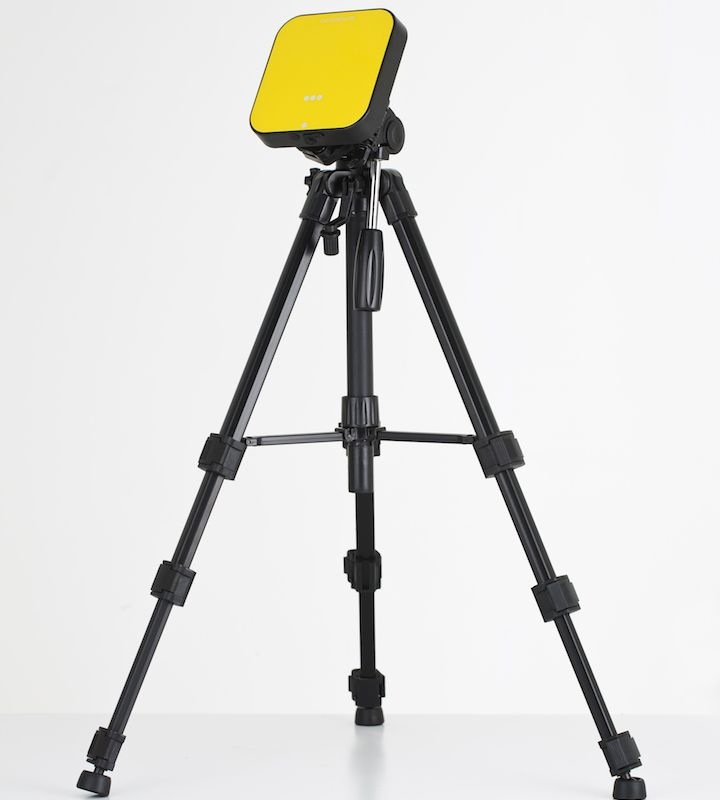
A radon test is a specialized environmental assessment that measures the concentration of radon—an invisible, odorless, radioactive gas—inside a home or building. Because long-term exposure to radon is a leading cause of lung cancer, testing evaluates indoor air quality to ensure levels fall within safe parameters.
How It Works
Device Placement: A test device is placed in the lowest livable area of the home (like a basement or first floor).
Closed-Building Conditions: All windows and exterior doors must remain shut during the testing period.
Duration: Short-term professional tests run for a minimum of 48 hours to capture representative data.
Analysis: The device tracks radon levels, measured in picocuries per liter of air (pCi/L).
Radon Testing
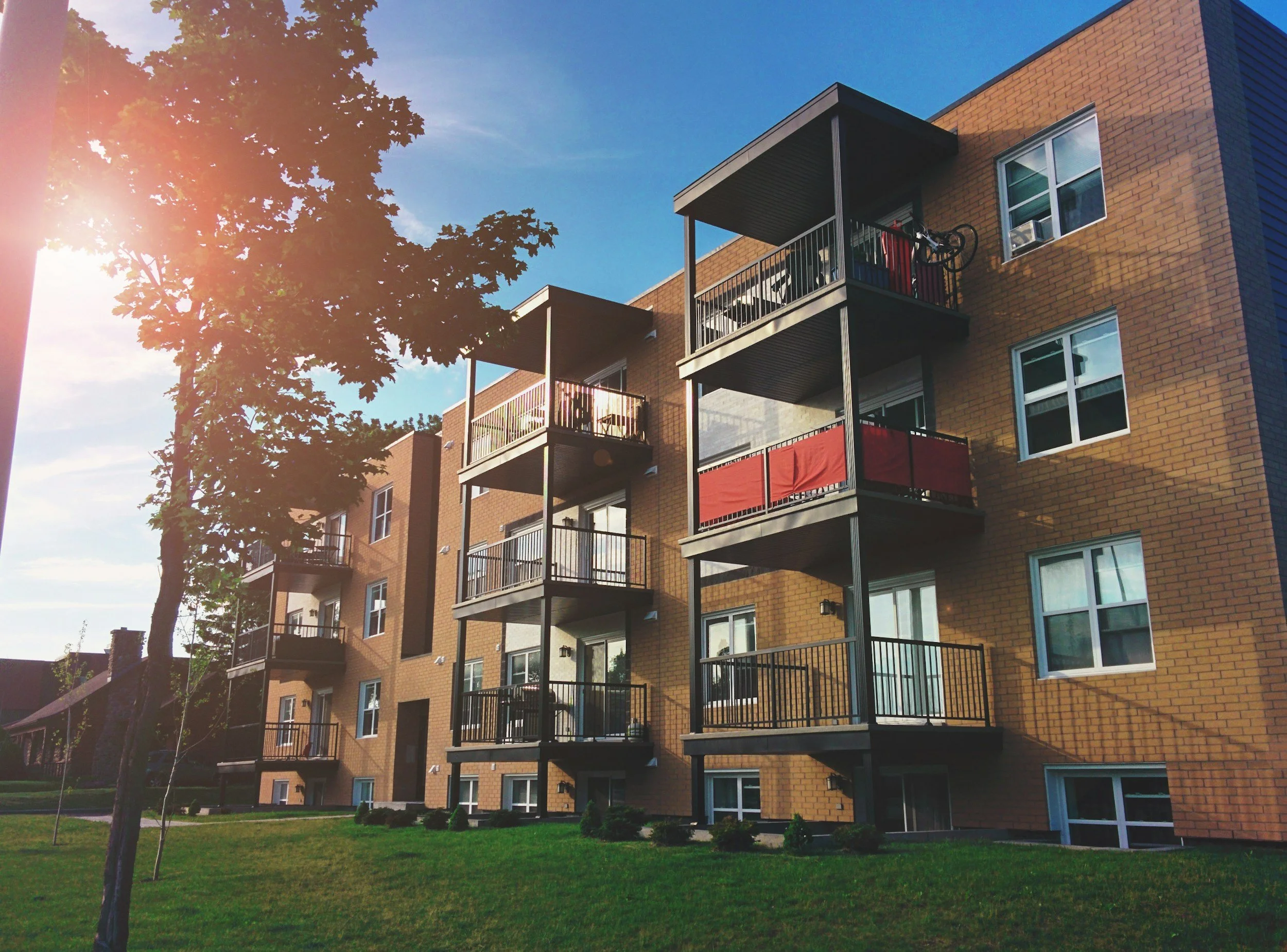
Pre-Purchase Condo Inspection
A Pre-Purchase Condo Inspection is a specialized visual assessment for condominium buyers conducted before closing. Unlike a standard single-family home inspection, it focuses exclusively on the interior living space, the immediate mechanical systems, and the accessible structural elements the buyer will own and maintain.
What is Inspected
Interior Elements: Walls, ceilings, floors, windows, and doors.
Unit Plumbing: Faucets, drains, toilets, shut-off valves, and visible piping.
Unit Electrical: The main breaker panel, outlets, switches, and grounding.
Dedicated HVAC: The heating, cooling, and ventilation units serving your specific space.
Appliances: Operation and safety checks of all built-in kitchen and laundry appliances.
Safety Features: Smoke detectors, carbon monoxide alarms, and balcony railings.
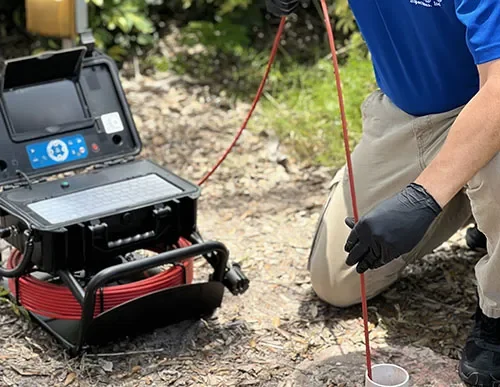
Sewer Scope INspection
A sewer scope inspection uses a specialized video camera to examine the interior of a home’s main sewer line, from the point it exits the house to the connection with the municipal line or septic system. This non-invasive scan reveals problems standard inspections can’t see underground.
Key Issues Detected
Pipe Material & Condition: Identifies the type of pipe (cast iron, clay, PVC, Orangeburg) and flags corrosion, cracking, or bellies.
Root Intrusion: Locates tree roots that have penetrated joints and are restricting flow.
Blockages & Buildup: Finds grease, debris, and scale buildup narrowing the line.
Offset & Collapsed Joints: Detects misaligned or collapsed sections that can cause backups.
Bellies & Standing Water: Flags low spots in the line where water and waste pool instead of draining.

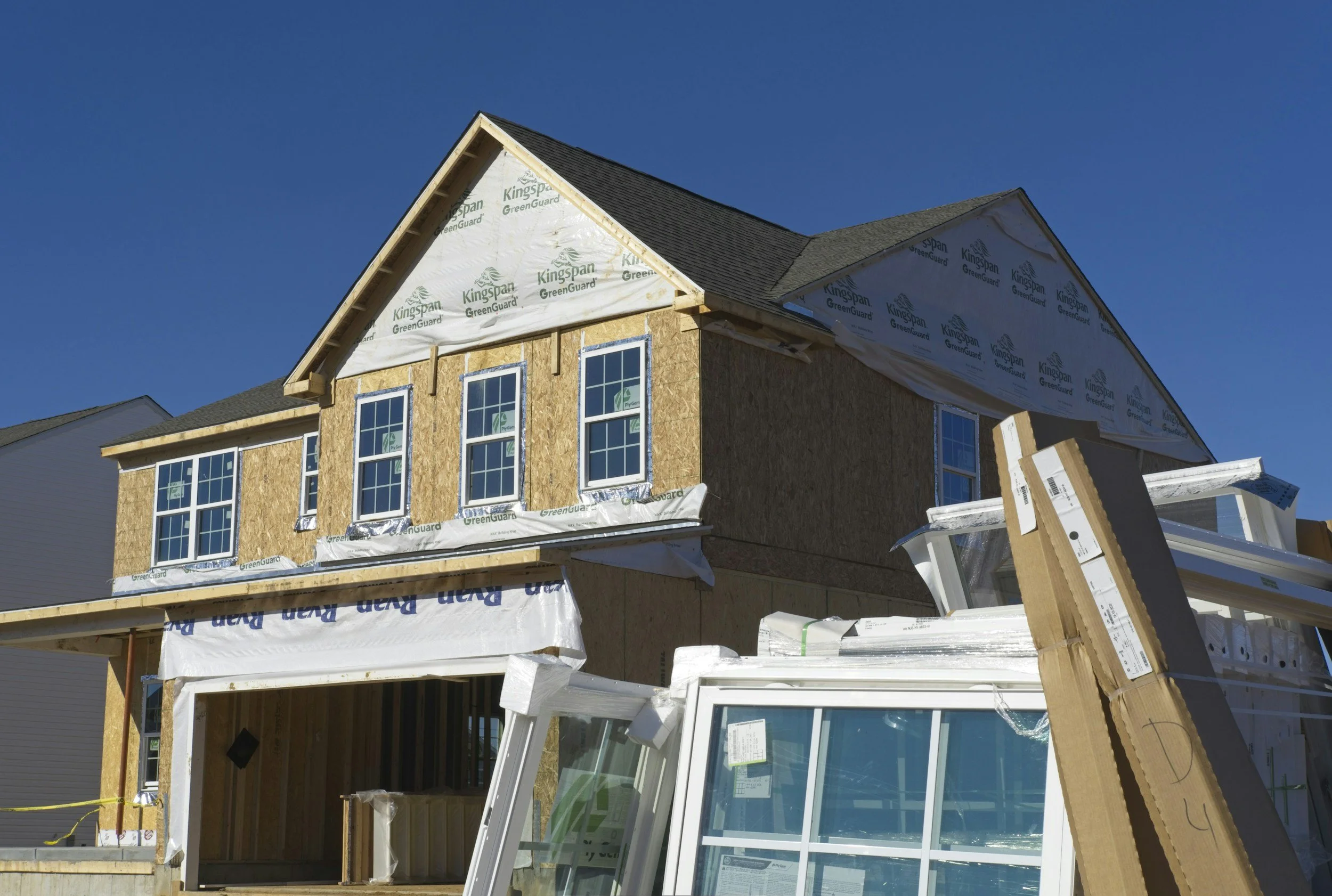
11-Month Warranty Inspection
An 11‑month warranty inspection is a comprehensive evaluation for owners of newly constructed homes conducted before the builder’s one‑year structural and mechanical warranty expires. This service identifies hidden installation defects, premature wear, and structural shifting that occurred during the home’s first year, and provides professional documentation you can use to submit a repair list to your builder at no out‑of‑pocket cost.
What is Inspected
Structural Shifting: Checking for foundation settlement, drywall cracks, truss uplift, and misaligned doors or windows.
Roofing & Exterior: Evaluating how the roof, flashing, and siding handled their first full cycle of seasonal weather.
HVAC & Plumbing: Testing heating, cooling, and plumbing systems under real load conditions to catch hidden leaks or drafting issues.
Construction Defects: Identifying improper insulation, missing structural hardware, or skipped builder finishes in attics and crawlspaces.
Walk and Talk Consultation
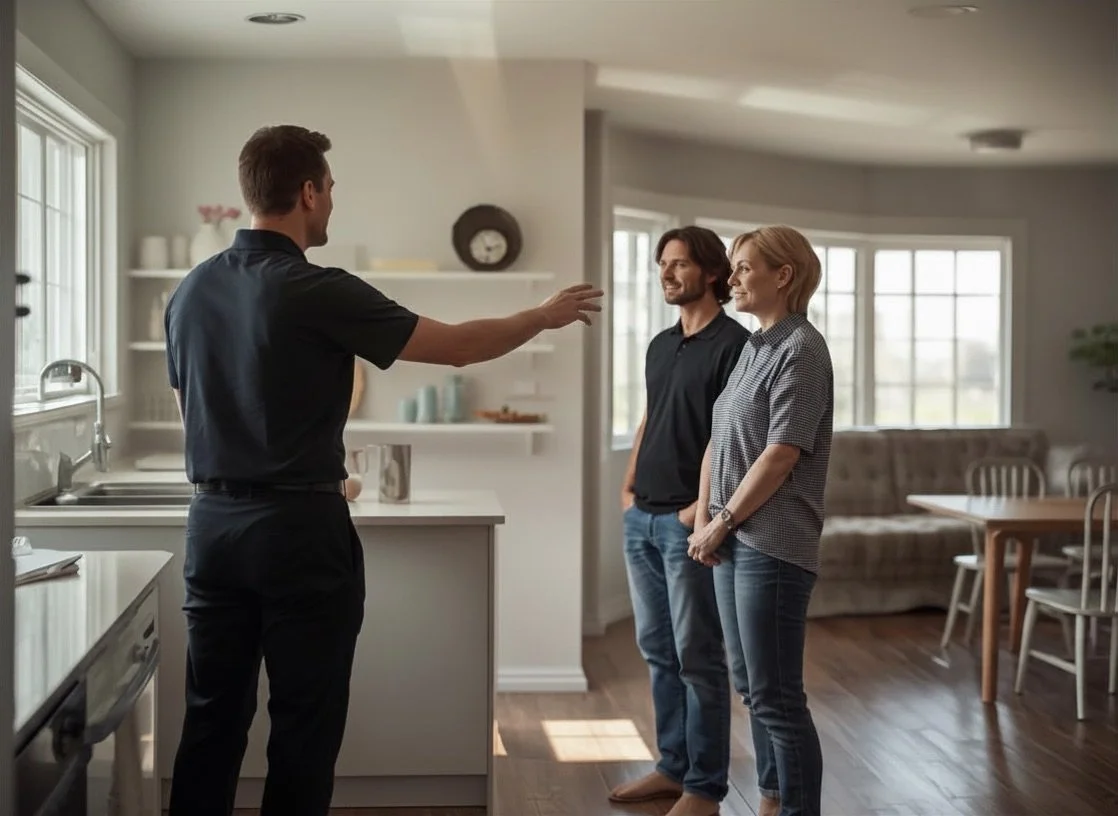
A Walk & Talk Consultation is a verbal, non-invasive walkthrough of a property, conducted with the buyer present in real time. A certified inspector reviews the home's key systems, points out visible concerns and safety hazards, and answers questions on the spot — giving buyers who are waiving a full inspection contingency a professional's eyes on the home before they're locked into the deal.
Key Areas Reviewed
Structure: Visible condition of the foundation, walls, floors, and ceilings.
Exterior: Roof, gutters, siding, doors, and windows, as visible from the ground.
Plumbing: Visible pipes, fixtures, water heater, and faucets.
Electrical: Panel, breakers, outlets, and light switches.
HVAC: Visible condition of the heating and air conditioning systems and ductwork.
Interior: Stairs, railings, built-in appliances, and attic access points.
This consultation is delivered verbally, on-site only — no written report is provided, and it is not a substitute for a full home inspection.
INvestor Consultation
An investor consultation is a targeted, fast-paced assessment tailored to the unique financial and risk tolerances of property investors. Rather than focusing solely on minor cosmetic flaws, the inspector acts as a strategic partner to identify major capital expenditures and safety liabilities that could disrupt cash flow or ruin a return on investment.
Support Tailored to Investor Experience
Explains the remaining useful life of expensive assets like roofs, HVAC units, and main sewer lines.
Breaks down the structural differences between cosmetic DIY fixes and major foundation or structural structural repairs.
Teaches basic maintenance tracking to prevent future tenant-driven property damage.
Create detailed scopes of work for investment properties.
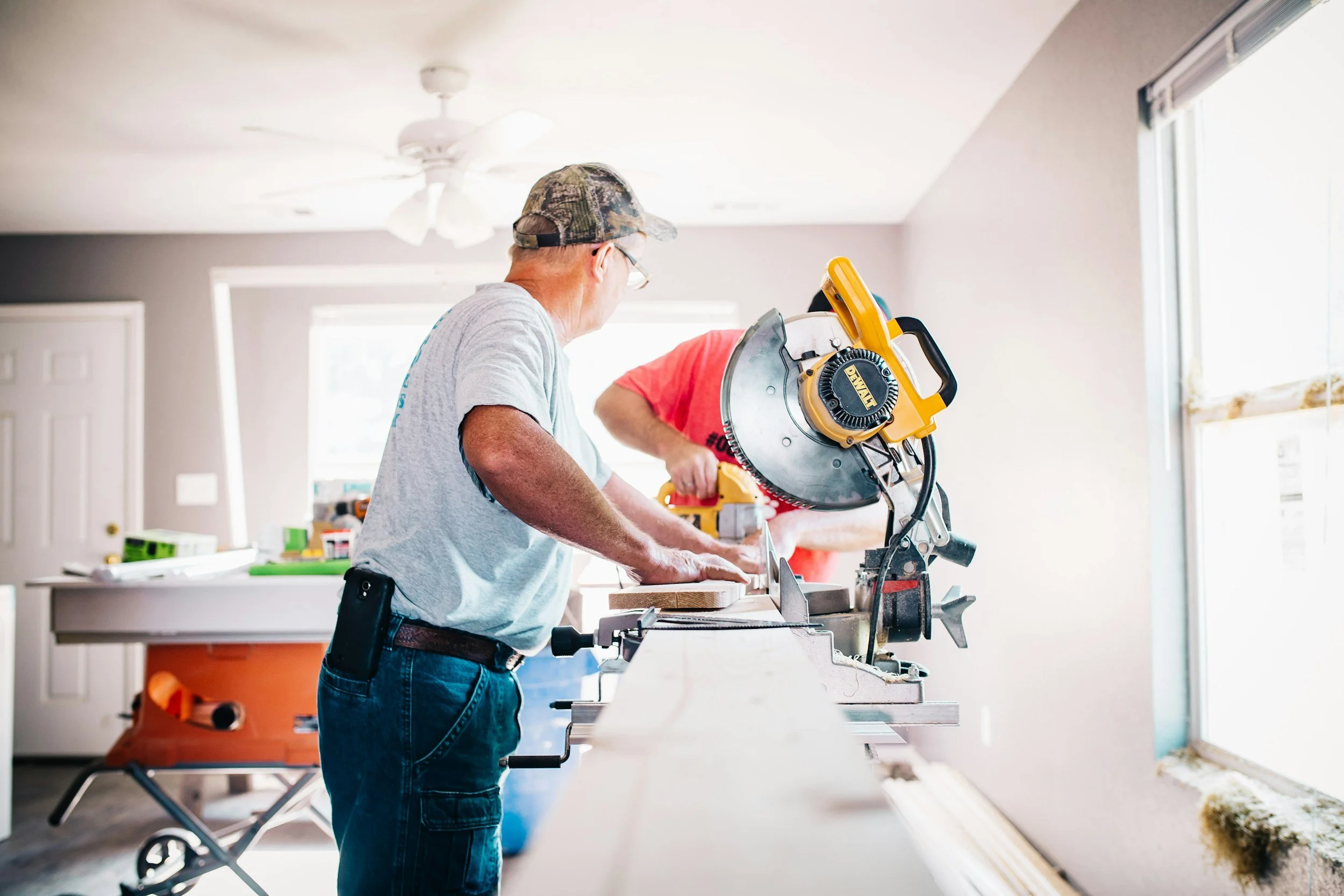
A re-inspection is a targeted follow-up visit conducted after the original home inspection report has been delivered and repairs have been negotiated. The inspector returns to the property to verify that specific defects previously identified have been properly repaired, replaced, or corrected by the seller or qualified contractors before the buyer signs the final closing paperwork.
What is Covered
Repair Verification: Visually evaluating agreed-upon repairs to ensure they meet professional or code-compliant standards.
Component Testing: Operating repaired mechanical, electrical, or plumbing systems to verify they are now functioning safely.
Invoice Review: Cross-referencing work completed at the home with receipt documentation or contractor invoices provided by the seller.
Updated Reporting: Providing a concise, addendum report with updated photos confirming the current status of the items in question.
Re-inspection
Ready to know every truth?
Fill the form, unleash clarity, and secure your property’s future today.